Pool and Spa Construction Done Right

Pool and Spa Construction Done Right

A great backyard project usually looks simple once it is finished. What most homeowners do not see is the amount of planning that sits behind successful pool and spa construction – especially on Brisbane blocks where access, slope, drainage and council requirements can quickly complicate the job.

If you are investing in a pool, you are rarely just buying a hole in the ground with water in it. You are shaping how your family will use the home for years, how the outdoor area flows, and how much stress you will deal with during the build. That is why the best results come from treating the pool, spa and surrounding landscape as one coordinated project rather than a string of separate trades.

Why pool and spa construction needs a bigger-picture plan

A pool and spa can be the centrepiece of an outdoor space, but they never operate in isolation. The position of the shell affects paving levels, drainage paths, fencing layout, retaining requirements, garden beds, outdoor lighting and even where people naturally walk through the yard.

This is where many projects start well and then lose momentum. A homeowner might begin with a pool quote, then realise the block needs structural work, then discover the spa location clashes with fencing, then find the entertaining area no longer feels connected. None of these issues are unusual. They simply show why planning matters.

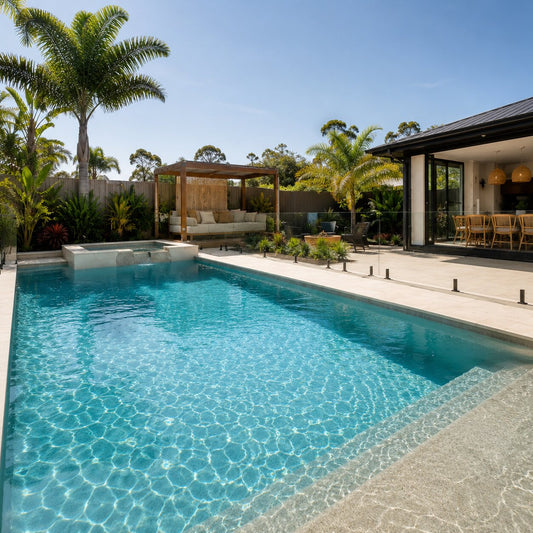
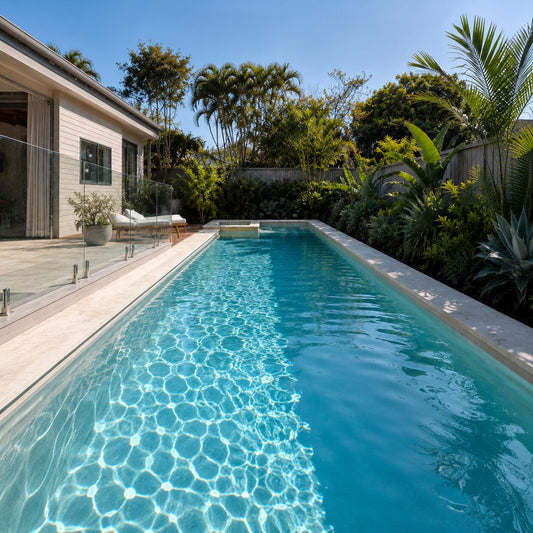
When the entire outdoor area is considered from the start, decisions become clearer. You can weigh up whether a lap pool suits the family better than a compact plunge design, whether a spillover spa adds value to the experience, and whether a wet edge or water walkway is worth the additional structural complexity. Good design is not about adding every premium feature. It is about getting the balance right for the home, the site and the way you live.

The first decisions that shape the whole build

For most families, the biggest early question is not colour or tile selection. It is how the pool needs to work day to day. A household with young kids will think differently from empty nesters who want a refined entertaining area, and both will have different priorities again from homeowners training regularly and wanting a true lap pool.

The site itself is just as important. A flat block gives you one set of options. A sloping block opens up another, but it also demands stronger engineering and clearer planning. In Brisbane and South East Queensland, sloping sites are common, and they can absolutely produce striking results. In fact, some of the most impressive pools are built into difficult sites. The catch is that they need to be designed and constructed properly from the outset.

Access also matters more than many people expect. Tight side access, existing structures, neighbouring properties and overhead obstacles can all influence the construction method, timing and cost. A dependable builder will address those realities early rather than gloss over them in the quoting stage.

Choosing the right pool and spa construction approach

There is no single “best” pool style. There is only the right fit for your property and goals.

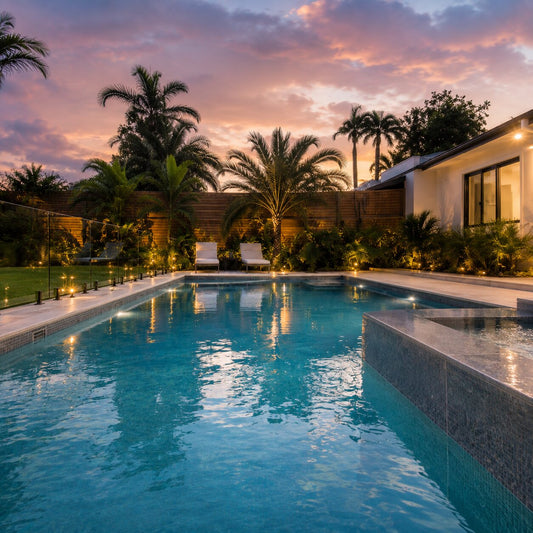
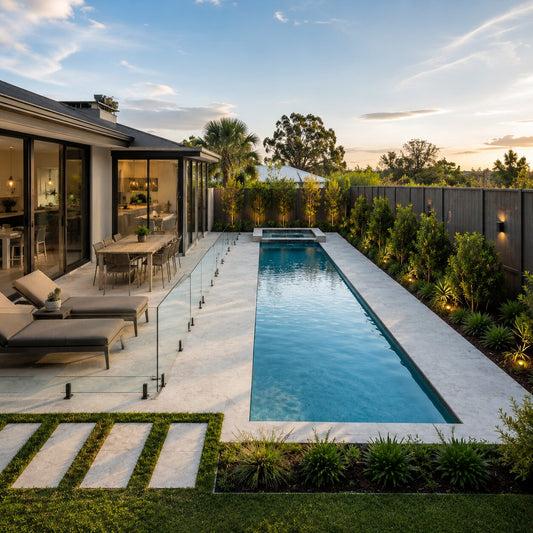
A contemporary geometric pool often suits modern Brisbane homes where clean lines and low-maintenance landscaping are the priority. A classical design may better match a traditional home and broader garden setting. Boutique pools work well in smaller suburban yards where every square metre matters. Lap pools prioritise function, while luxury designs tend to focus on visual impact, premium finishes and a stronger resort feel.

The same principle applies to spas. Some homeowners want the spa integrated into the pool design so the whole area feels unified. Others prefer a separate spa zone for privacy or a stronger entertaining focus. Neither option is automatically better. It depends on space, budget and how often the spa will actually be used.

This is also where trade-offs come into play. A more complex shape, elevated structure or premium edge treatment can look remarkable, but it will usually carry additional construction and engineering costs. Sometimes that extra spend is absolutely worthwhile. Sometimes the smarter move is to simplify the structure and direct the budget into paving, lighting, planting and entertaining features that lift the overall result.

Why one team often delivers a better outcome

Pool projects become stressful when too many moving parts are left for the homeowner to coordinate. One contractor handles the shell, another does paving, another manages fencing, another tackles retaining walls, and suddenly the client is trying to manage sequencing, quality and accountability.

That fragmented approach can work on very simple jobs, but it often creates delays and miscommunication on custom residential projects. If the pool level changes, the paving plan may need to change. If drainage needs to be upgraded, landscaping may need to be adjusted. If retaining becomes more substantial than expected, several trades can be affected at once.

A single specialist team managing the broader outdoor transformation tends to remove much of that friction. It means the pool design, structural works, drainage, paving, fencing, tiling and landscape finishes are considered together. It also gives the homeowner a clearer point of contact and a more consistent standard across the whole job.

For Brisbane homeowners, that joined-up approach is particularly valuable on sloping sites and more complex family homes where the pool is only one part of a larger vision.

What to expect during the construction process

The most successful projects usually begin with a practical conversation, not a sales pitch. A good builder should ask how you want to use the space, what your block allows, what your budget range looks like, and what level of finish you are aiming for.

From there, design and site assessment set the direction. This is where dimensions, location, style, engineering requirements and surrounding landscape elements are aligned. Approvals and compliance considerations should also be addressed early so there are fewer surprises later.

Construction itself then follows a logical sequence, although exact timing will vary depending on weather, access, complexity and finishes. Excavation, structural works, shell construction, plumbing and electrical rough-in, coping or edging, interior finishes and surrounding landscape works all need to happen in the right order.

What matters most is not just speed. It is control. Homeowners usually want to know the project is moving, but they also want confidence that corners are not being cut. Clear communication throughout the build makes a major difference here. It keeps expectations realistic and helps the client feel informed rather than left in the dark.

Budget, value and where to spend wisely

Every homeowner wants a quality result at a fair price, but pool and spa construction is not the kind of project where the cheapest quote is automatically the best value. Pricing can vary for good reason – site conditions, structural requirements, finish selections, access and project scope all have a major effect.

A quote that looks lower at first glance may exclude important components such as drainage, fencing, retaining, electrical work or landscaping. That is where budget blowouts often begin. By contrast, a more complete proposal can feel higher up front but deliver stronger value because the true scope is accounted for properly.

If you are deciding where to invest, prioritise the items that affect long-term performance and everyday usability. Structural integrity, engineering, circulation space, drainage and finish quality deserve careful attention. Decorative extras matter too, but they should not come at the expense of the fundamentals.

This is also where experienced guidance counts. A seasoned builder can often show where a design can be refined to stay on budget without losing the look and function that matter most.

Pool and spa construction on Brisbane blocks

Brisbane homes come with their own set of opportunities and challenges. The climate is ideal for outdoor living, which makes a well-designed pool area genuinely useful for a large part of the year. At the same time, local site conditions can be varied, and sloping blocks are far from rare.

That is why engineering capability matters. A builder who understands structural requirements, drainage behaviour and level changes can turn a difficult site into a standout feature rather than a problem to be managed away. It also helps when the same team understands the wider landscape picture – retaining walls, paving, planting, outdoor kitchens, pavilions and lighting all influence how the finished space feels.

For homeowners wanting a complete backyard transformation, that broader capability is often the difference between a pool that simply fits the yard and one that truly lifts the property.

Wahoo Pool & Landscape Construction works in exactly that space, helping Brisbane and South East Queensland families bring together custom pool design, construction and landscape works under one experienced team.

How to choose the right builder

The right builder should make you feel informed, not pressured. They should be able to explain what suits your block, where the likely constraints are, and what is realistic for your budget. They should also be comfortable discussing trade-offs rather than pushing a one-size-fits-all answer.

Look for experience with projects similar to yours, especially if your site is sloping or your plan includes more than just the pool itself. Ask how the project is managed, who oversees construction, and how surrounding works such as fencing, paving, retaining and drainage are handled. These details tell you a lot about whether the process is likely to feel organised or chaotic.

Most of all, choose a team that understands the outcome you are chasing. The best pool projects are not only well built. They feel right for the home, practical for the family, and enjoyable to use from the day they are finished.

A well-planned pool and spa project should make life at home better, not more complicated – and when the design, engineering and landscape all work together, that is exactly what it does.

No Comments

Post A Comment